
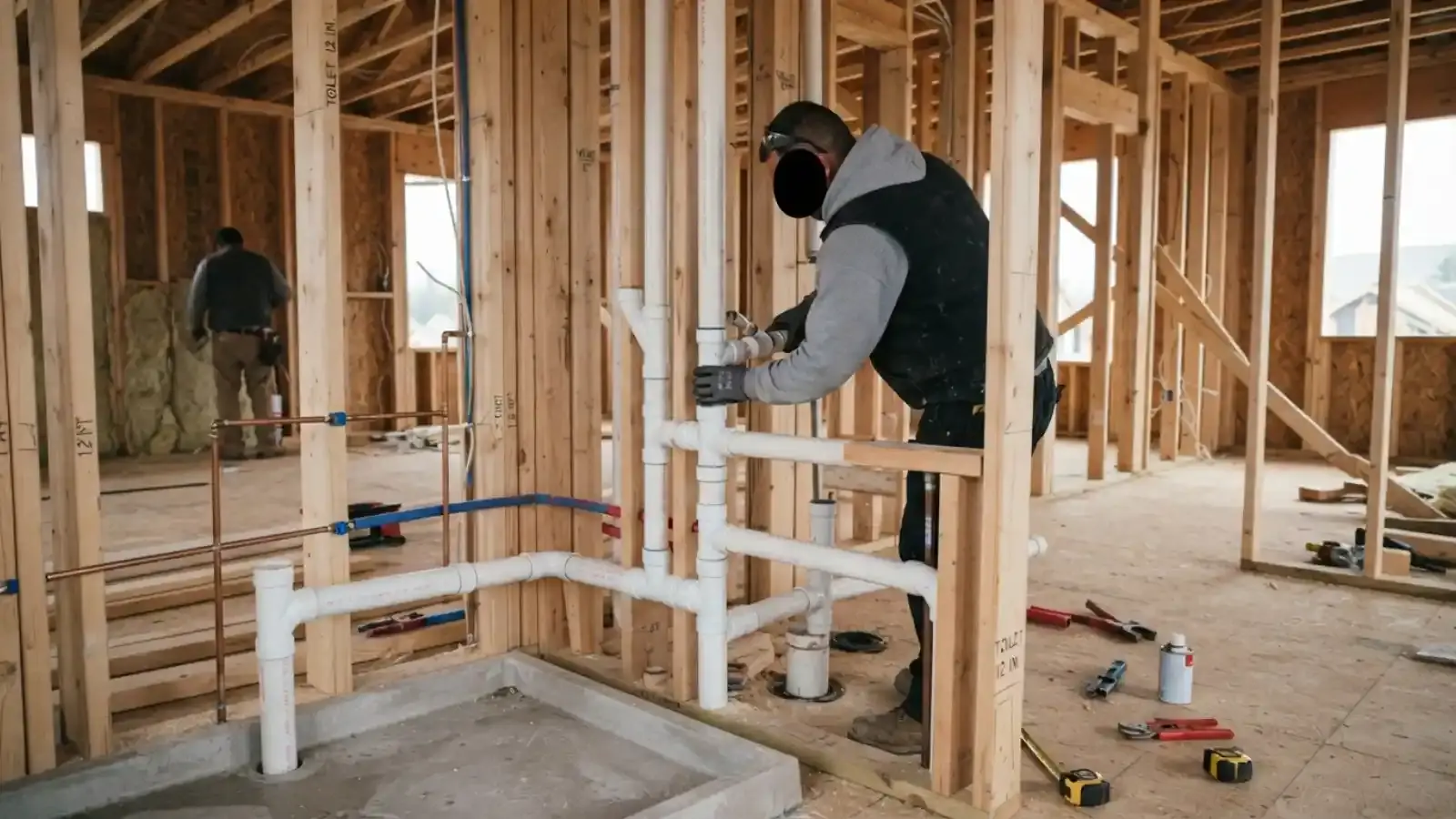
Plumbing installation in Placentia, CA covers planned work that adds or replaces something in your home. Typical jobs are a toilet, a vanity, a kitchen sink, a washing machine box, a gas outlet for a range or dryer, or a new water line out to a backyard kitchen. A licensed plumber sets the fixture, connects supply and drain, and tests every joint before leaving.
Most of these jobs are not emergencies, so they are booked around your schedule. Same-day appointments are offered when the calendar allows, and the line at (714) 750-8637 is open around the clock if something goes wrong while you are planning.
What counts as a plumbing installation
The phrase covers a wide range, so it helps to know where your project falls before you call. The plumber will ask a few questions, and the answers decide how long the visit takes and what parts arrive on the truck.
- Fixture swaps. A toilet, bathroom sink, tub filler or kitchen faucet replaced with a new one on the existing supply and drain. These are the quickest jobs and often finish in a single visit.
- New fixtures in a new location. A second sink in a primary bath, a laundry sink in the garage, or a utility sink. These need new supply and drain runs and usually a vent, which is where the work gets longer.
- Appliance hookups. A dishwasher, washing machine, ice maker line or refrigerator supply. A shutoff valve and a braided or hard line are set so the next repair is simple.
- Gas connections. A range, dryer, outdoor grill or fire feature fed from a gas outlet. These are tested for leaks before the appliance is used.
- Outdoor and accessory work. Hose bibs, irrigation tie-ins, and supply to a casita or backyard kitchen. Trenching and distance change the scope quickly.
Permits and inspections in Placentia
The City of Placentia Building and Safety Division handles plumbing permits at 401 Chapman Avenue, and the phone number is (714) 993-8124. The city permit application lists water heaters, water lines, gas outlets, garbage disposals and pipe repair among the items it covers, so several of the jobs on this page can require one.
Installations are carried out to the California Plumbing Code, Title 24, Part 5, which is based on the Uniform Plumbing Code (UPC).
Whether your particular project needs a permit depends on its scope, and the city is the authority on that. A plumber who works in the area knows the usual answers and can tell you what to expect before the work starts. Fees are set by the city, so ask Building and Safety rather than relying on a number from a website.
Pulling a permit when one is required protects you at sale time and with insurance. An unpermitted gas outlet or water heater is the kind of thing a home inspector notes and a buyer asks about.
Which installations are quick and which take planning
Scope drives both time and price. This table shows how common jobs usually sort out, so you can set expectations before the visit.
| Job | Typical effort | What makes it longer |
|---|---|---|
| Toilet or faucet swap | Short visit on existing lines | Corroded shutoff valves that will not close, or a flange that is damaged |
| Kitchen sink and disposal | Single visit in most cases | Old drain pipe that crumbles when touched, or no space under the cabinet |
| Washer or dishwasher hookup | Short visit | A missing shutoff or a drain stub at the wrong height |
| Gas outlet for a range or dryer | Longer, with a pressure test | Distance from the meter or main line and the wall or floor type |
| New bathroom or laundry room fixture | Planned job, possibly more than one visit | New drain slope, venting and any wall or slab opening |
Ask the plumber to walk through the shutoffs for each new fixture before leaving, so you know where to stop water in an emergency.
Safety steps before the installer arrives
A few minutes of preparation keeps the visit short and the work area safe.
- Know your shutoffs. Find the main water valve and, for any gas appliance, the gas shutoff.
- Clear the work area. Move items from around the fixture, the cabinet or the wall so the plumber can reach it.
- Smell gas? Leave first. Leave the building and call SoCalGas at 1-800-427-2200, then 911 if there is danger.
- Keep children and pets away. Open supply lines and tools are a hazard while the work is under way.
How an installation visit runs
A planned job should feel organized. These are the four stages you can expect from the first call to the final test.
- 01
Describe the project and send a photo
Tell the dispatcher what you want installed and where. A photo of the space and the existing fixture helps the plumber bring the right parts.
- 02
Hear the price before work starts
The plumber confirms the scope on site and gives a clear price before opening any wall or disconnecting any line.
- 03
Install, connect and test
Supply, drain and any gas connection are set, then pressure and leak tested with the water on.
- 04
Walkthrough and cleanup
You are shown the shutoff valves and told how to run the new fixture. The work area is left clean.
Older Placentia homes and what the plumber finds behind the wall
Placentia's population grew from about 5,000 in 1960 to nearly 25,000 by 1970, so many homes were built or expanded during those years. That matters for installation work because the pipes, shutoff valves and drain stubs behind a fixture are often original to the house.
A simple faucet swap can turn into a valve replacement when the old shutoff crumbles or will not close fully. A new toilet may need a new flange if the old one is cracked or sits below the finished floor. None of this is unusual, and a good plumber raises it before starting rather than after the wall is open.
If your project touches the main water supply or an old galvanized section, the repiping page explains when replacing pipe makes more sense than patching it.
What drives the price of an installation
Every home is different, so a flat number from a website rarely holds. These are the factors that move the quote, and you hear the total before work starts.
A basic builder-grade faucet and a premium touchless model are very different parts, and the plumber installs whichever you choose.
Open cabinet space and a nearby shutoff keep the job short. A tight wall or slab access adds time.
Using existing supply and drain is the simplest path. New pipe, venting or gas line extends labor.
If the city requires a permit for the work, that adds a step and a city-set fee that the plumber can explain.
Corroded or brittle connections can need replacement before the new fixture is attached. A leaking old fixture may point to leak detection first.
Planned installations are not an insurance claim. If an old fixture has already leaked and damaged flooring or cabinets, that damage may be a separate coverage question, so keep photos and talk to your agent before the repair.
Want a price for your project? Call (714) 750-8637
Questions to settle before you buy the fixture
- Check the rough-in size. Toilet rough-in distance and sink drain height decide which models fit. Measure before you shop.
- Confirm the shutoff valves work. If they do not close fully, ask for replacement valves as part of the job.
- Decide who supplies the parts. You can buy the fixture, or the plumber can supply it. Either way, ask for the model to be confirmed on site.
- Plan for the water to be off. Most jobs need the water off for a short window. Tell the household before the visit.
Questions about plumbing installation in Placentia
It depends on the scope. The city permit application lists water heaters, water lines, gas outlets and garbage disposals, so some projects do. Call Building and Safety at (714) 993-8124 to confirm for your job, and ask the plumber what they usually see.
Usually yes. The plumber confirms the model and rough-in on site before connecting it. If a part is missing or does not fit, you are told before any extra work is added to the price.
A single toilet or faucet swap is often a short visit. New runs, gas lines or work inside walls take longer and may need a second appointment. The plumber gives you an honest window when the scope is clear.
Yes, gas outlets and appliance connections are part of the work, with a leak test before the appliance is used. If you ever smell gas, leave the home first and call SoCalGas at 1-800-427-2200 before anything else.
Planned installs are scheduled during the day, but the line at (714) 750-8637 is open 24/7. If a new fixture fails or leaks, call right away and ask for emergency dispatch.
The plumber stops, shows you the problem and explains the options. Nothing is added without your approval, and the clear price you were given covers the agreed scope.